Initial assessment of the 2025/2026 heating season: Overall heating energy consumption stable – cost trends vary by region
Press Releases - 21.04.2026
- An analysis of the months from October 2025 to March 2026 shows overall stable heating energy consumption.
- Cost trends vary: natural gas is cheaper, district heating remains nearly constant, and heating oil saw a sharp increase in costs in March.
- The current energy crisis is having a delayed impact—higher costs are not expected to be felt until the coming heating season.
Eschborn, April 21, 2026. Average heating energy consumption for natural gas, district heating, and heating oil remained stable overall during the 2025/2026 heating season compared to the previous year. Neither nominal nor weather-adjusted consumption showed any significant changes over this period. Accordingly, the current energy crisis has not yet had a demonstrable impact on heating cost bills for the 2025/2026 heating season—though this impact is expected for bills in the coming heating season. This is evident from a recent analysis by the energy service provider Techem, which is based on reported consumption data for the months of October through March.
Balancing effects within the heating season
The analysis shows that heating energy consumption fluctuated throughout the season. A colder January, with correspondingly higher heating demand, was offset by an unusually mild March. Based on the in-year consumption data, the overall picture for the heating season is stable: average heating energy consumption per square meter remained at the same high level as in the 2024/2025 season, both in nominal terms and after adjusting for weather conditions. Looking at the data by energy source, the in-year consumption figures also show largely consistent patterns. Changes in consumption for natural gas, district heating, and heating oil each fall within a range of approximately ±1.5%. No structural shift between energy sources is thus apparent. This indicates overall consistent heating usage patterns across all supply types.
Cost developments differ by energy source and region
When it comes to heating costs, the picture looks different depending on the energy source. For natural gas, there is an average cost decrease of 2.7% compared to the same period last year. While average heating oil costs saw the sharpest decline—6.6%—between October and February, a sudden 20% cost increase in March, triggered by the current energy crisis, offset this effect. Overall, this results in a 2.7% reduction in heating oil costs for the period from October to March compared to the same period last year. District heating remains virtually constant, with a slight cost increase of 0.8%.
Although costs for the 2025/2026 heating season are declining at the national level, the analysis reveals significant regional differences in some cases: North Rhine-Westphalia recorded the sharpest cost decline at −4.4%. Residents in Hesse (-4.2%) and Baden-Württemberg (-2.4%) are also paying slightly less. Conversely, Berlin (+7.5%), Brandenburg (+6.5%), and Mecklenburg-Western Pomerania (+5.2%) are seeing an increase in heating costs.
Transparency as the Foundation for Efficient Heating Practices
“An analysis of consumption data throughout the year shows that residents make a tangible contribution to stabilizing heating costs through their responsible heating practices. To reinforce this effect in the future, we also need energy-efficient buildings and modern systems that use energy intelligently and support savings over the long term,” says Matthias Hartmann, CEO of the Techem Group. Transparent consumption data, such as intra-year consumption information, plays a central role in this: It enables a realistic assessment of consumption and cost trends, highlights differences, and creates a solid foundation for targeted countermeasures. On this basis, targeted, digital, and low-cost efficiency measures can then also be derived. “Solutions like Techem’s digital boiler room make it possible to optimize existing heating systems based on data—with tangible effects on costs and emissions,” Hartmann continues. As a service provider for smart buildings, Techem supports owners and users in making informed decisions based on reliable data and using energy efficiently in the long term.
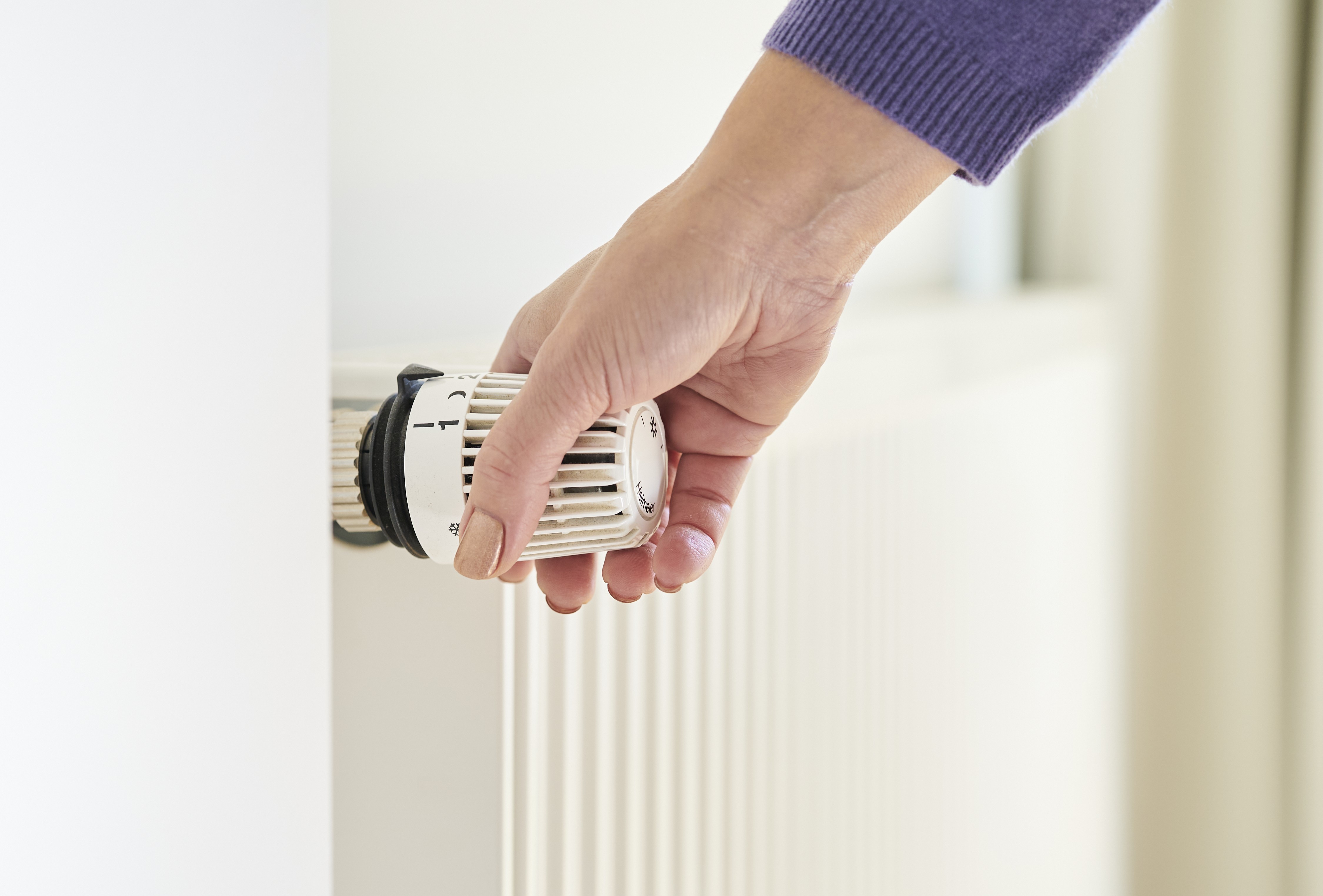
Image information: Initial Assessment of the 2025/2026 Heating Season: Overall Heating Energy Consumption Remains Stable – Cost Trends vary by Region (image source: Techem).
About the methodology
This analysis is based on anonymized in-year consumption data from a total of approximately 639,972 residential units in Germany. The analysis included 283,633 households with natural gas supply, 291,078 households with district heating, and 65,261 households using heating oil. The consumption figures reported for the months of October through March during the 2024/25 and 2025/26 heating seasons were evaluated. The data was additionally weather-adjusted. The analysis is conducted by the Techem Research Institute on Sustainability and combines current intra-year consumption data with long-term comparative values. A definitive statement regarding individual heating cost bills is only possible after they have been issued.
With the new Atlas formats—Atlas Focus, Atlas Forecast, and Atlas Update—Techem complements its annual Atlas main study with regular, concise analyses of current energyrelated topics.
About Techem
Techem is a leading service provider of digital and innovative solutions for the efficient operation of residential and commercial properties. The company’s services cover energy management, consumption tracking and transparency, safety and comfort, as well as process efficiency in real estate. Founded in 1952, the company now operates in 18 countries with over 4,300 employees and manages more than 13.5 million residential units. Techem supports property owners and managers in analyzing heat and water consumption in buildings and identifying opportunities for efficiency improvements. As a market leader in wireless remote monitoring of energy consumption in housing, Techem is driving the further advancement of connectivity and digitalization of processes in real estate. Modern multisensory devices, wireless smoke detectors with remote inspection, metering point management, charging infrastructure for electric vehicles, and services related to drinking water quality complete the portfolio of solutions for the residential and commercial real estate sectors. Further information can be found at https://www.techem.com or follow us on LinkedIn.

