Negative Electricity Prices: Without Smart Meters, the Savings Potential Remains Untapped
Press Releases - 26.05.2026
- In 2025, there were more than 525 hours of negative electricity prices in Germany
- EEG Amendment Calls for Zero-Feed-In Systems
- Without smart meters and dynamic rates, the savings potential of low electricity prices remains untapped in most households
- As a nationwide competitive metering point operator, Techem is driving the smart meter rollout forward together with inexogy and creating the technical foundation for flexible electricity use
Eschborn, May 26, 2026. Negative electricity prices are becoming increasingly common in Germany, but most households have not yet benefited from them. This is because dynamic rates can only be utilized and electricity consumption shifted to off-peak hours with the help of smart meters. As a result, the real potential for savings is not being realized in the daily lives of many consumers. As a competitive metering point service provider active nationwide, Techem is driving the smart meter rollout forward, thereby creating the technical foundation for flexible and cost-optimized electricity use in buildings. The current reform of the German EEG (Renewable Energy Sources Act) also addresses rising electricity surpluses: the feed-in tariff is to be eliminated for new photovoltaic systems. In doing so, the legislature is creating targeted incentives for greater self-consumption, storage, and flexible use of solar power to alleviate the midday solar peak.
Why Negative Electricity Prices Rarely Reach Households
Negative electricity prices occur when high levels of feed-in from wind and solar energy coincide with low demand. Dynamic electricity rates can pass these price signals on to customers. This requires smart metering systems that track electricity consumption at 15-minute intervals. Currently, however, only a small proportion of metering points in Germany are equipped with smart meters—a major bottleneck for flexible electricity use. “Negative electricity prices show just how much our electricity system is now shaped by renewable energy. For these price signals to reach consumers, smart metering systems are needed. Without them, flexible electricity use remains a theoretical option,” says Gero Lücking, lead expert for smart electricity solutions at Techem.
Electricity is becoming the predictable foundation—flexibility is key
The Techem Atlas 2025 for Energy, Heat & Water highlights the structural shift in the energy system: While consumption costs for natural gas rose by 40.6% and for heating oil by 47.3% from 2021 to 2024, the costs of heating with electricity increased by only 1.8% over the same period. An analysis of costs for the year 2025 reaches the same conclusion. However, a different picture emerges when it comes to electricity prices themselves. Comparing 2024 to 2025, the price of electricity has fallen by 3.2%. As a result, electricity is gaining relative stability as an energy source. If generation and consumption are better aligned, consumers can continue to benefit from low or even negative electricity prices.
This potential is particularly evident with heat pumps. With around 2 million heat pumps installed in Germany that can adjust their operation to times of low electricity prices, the share of controllable consumers is growing. In combination with smart meters and dynamic rates, this not only reduces costs but also relieves the strain on power grids. Regulation also provides incentives to save on grid fees via smart meters and control boxes. According to the Techem Atlas, around 50% of centrally heated apartment buildings can already be adapted for low-temperature systems such as heat pumps without replacing radiators—and this figure rises to as much as 90% with an increase in heating surface area.
Charging infrastructure for electric mobility also benefits from smart metering and control technology: charging processes can be managed in a grid-friendly manner and shifted to times of high renewable energy feed-in, i.e., times when electricity prices tend to be lower. Since April, the federal government has been supporting the expansion of private charging infrastructure in and around multi-family buildings with a new program totaling €500 million. The goal is to enable the charging of electric vehicles, particularly in the surrounding residential area. With over 4,000 charging points currently being installed and operated nationwide, Techem is playing a key role in achieving this goal.
Smart Meters as the Key to the Next Phase of the Energy Transition
In the energy policy debate, the focus is therefore increasingly shifting to the question of how flexibility can be increased, and how supply and demand can be better aligned. As a metering point operator and digitalization partner to the real estate industry, Techem is actively driving the smart meter rollout forward. With its majority stake in inexogy smart metering, Techem is investing €320 million over five years in the expansion of smart metering systems. The long-term goal is to install up to 1.5 million smart meters and connect them to digital platform solutions.
As a competitive meter operator, the company is thus creating the technical foundation on which electricity suppliers and grid operators can implement dynamic tariffs and grid-friendly control models. To this end, Techem integrates all meters in the building into the smart metering systems as part of the development of the digital metering and control infrastructure. “The energy transition is not only being decided at the production level, but increasingly within buildings as well. Smart metering systems are the key to enabling consumers to benefit from surplus electricity and favorable prices. Smart meters and their rollout are the prerequisite for bringing flexibility to the market,” said Lücking.
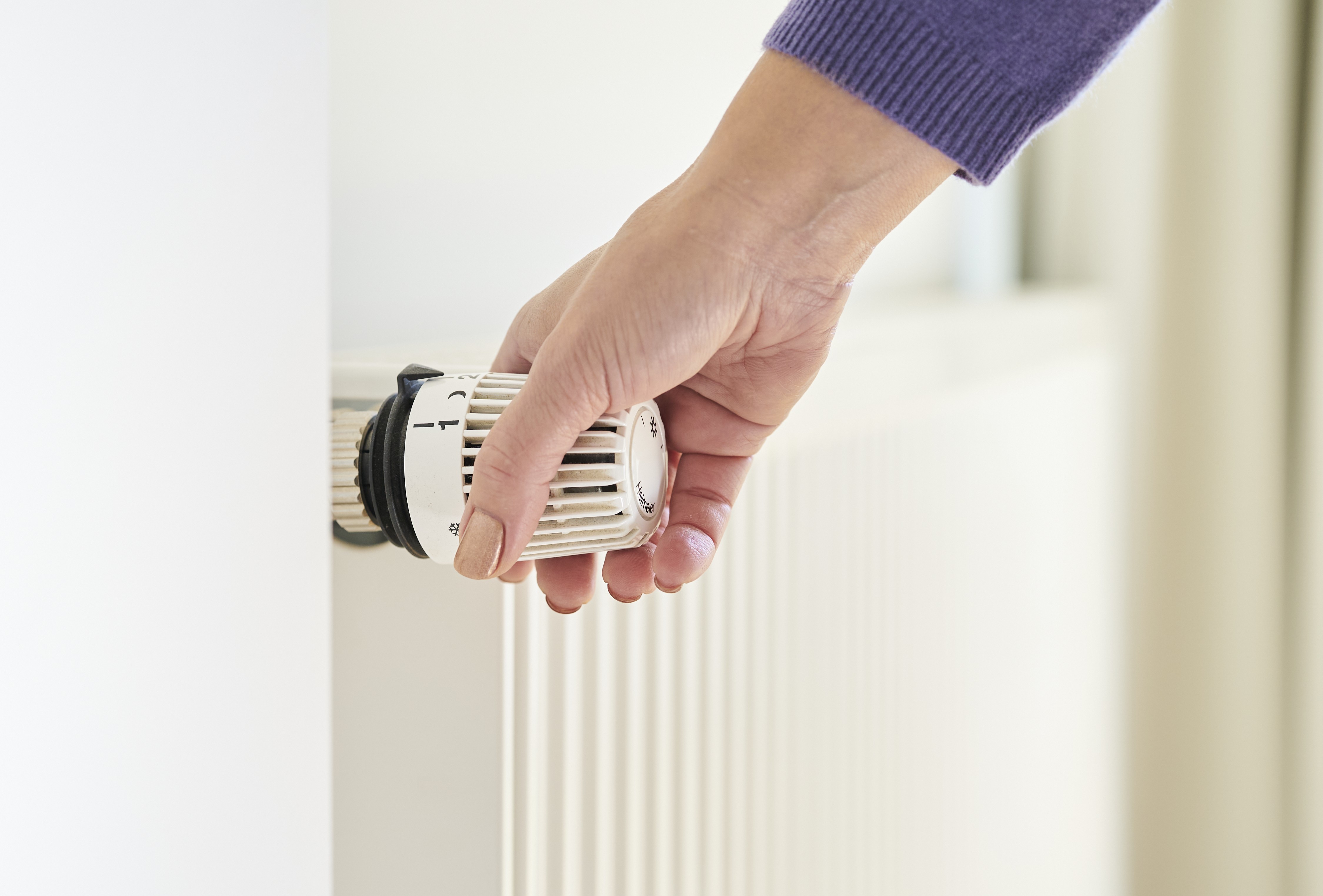
Image information: For negative electricity prices to reach consumers, smart metering systems are needed (Image source: Techem).
About Techem
Techem is a leading service provider of digital and innovative solutions for the efficient operation of residential and commercial properties. The company’s services cover energy management, consumption tracking and transparency, safety and comfort, as well as process efficiency in real estate. Founded in 1952, the company now operates in 18 countries with over 4,300 employees and manages more than 13.5 million residential units. Techem supports property owners and managers in analyzing heat and water consumption in buildings and identifying opportunities for efficiency improvements. As a market leader in wireless remote monitoring of energy consumption in housing, Techem is driving the further advancement of connectivity and digitalization of processes in real estate. Modern multisensory devices, wireless smoke detectors with remote inspection, metering point management, charging infrastructure for electric vehicles, and services related to drinking water quality complete the portfolio of solutions for the residential and commercial real estate sectors. Further information can be found at https://www.techem.com or follow us on LinkedIn.

